
The Mahale Mountains National Park can be found in the area. The western part of Tanzania is known for its breathtaking scenery. The park shares its borders with Lake Tanganyika, one of the world's oldest and deepest lakes. Reaching the park is an adventure, as it can only be accessed by air and boat. The park has no roads but instead offers forest paths through lush vegetation. It is a paradise for hikers and primates, especially chimpanzees, who trek through the park.
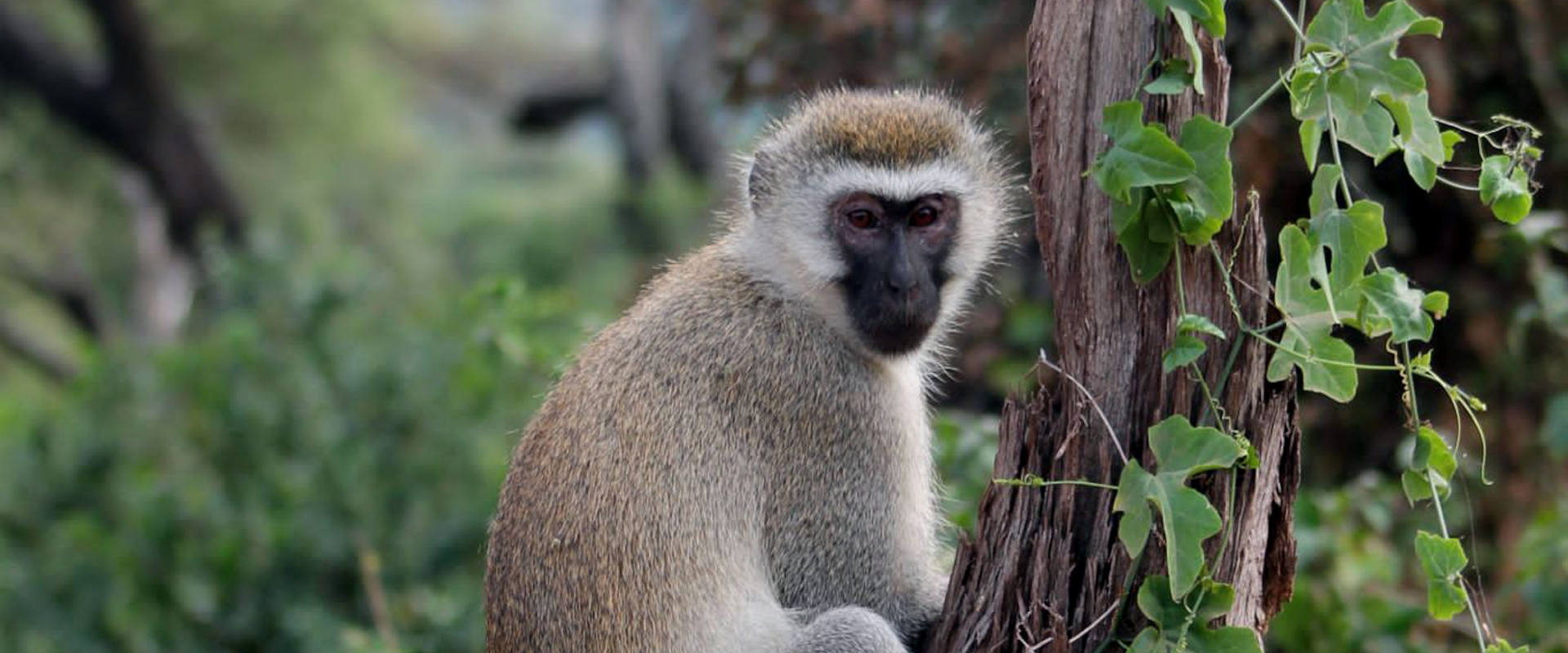
The park is full of life with its rivers, waterfalls, and pristine white sandy beaches along the lake's shoreline. Visitors can partake in primate trekking, hiking, snorkeling, and bird watching. Mahale is home to nine primate species, including the yellow baboon, red colobus, blue monkeys, and red-tailed monkeys. Not only that, but the park is also home to 73 other mammal species.
Embark on a thrilling chimpanzee trek through the misty forests, where you may spot other fascinating the park is home to various animals like roan and sable antelopes, mongooses, warthogs, and even lions and leopards. Additionally, crocodiles are known to inhabit the area. At the same time, hippos can sometimes be seen swimming in the crystal-clear waters of Lake Tanganyika. Though the amphibian and reptile populations have yet to be thoroughly researched, there are at least 20. There are 26 reptile species and several amphibians that can be explored. Additionally, for those interested in birds, there is exciting news as well.t the park boasts almost 355 species of birds, ranging from pelicans and various storks on the sandy beaches to Livingston's turacos, Narina trogons, crested guinea fowl, and... blue-cheeked bee-eaters closer to the forests. Snorkel in the lake's shallow waters to catch a glimpse of the over 250 endemic fish species.