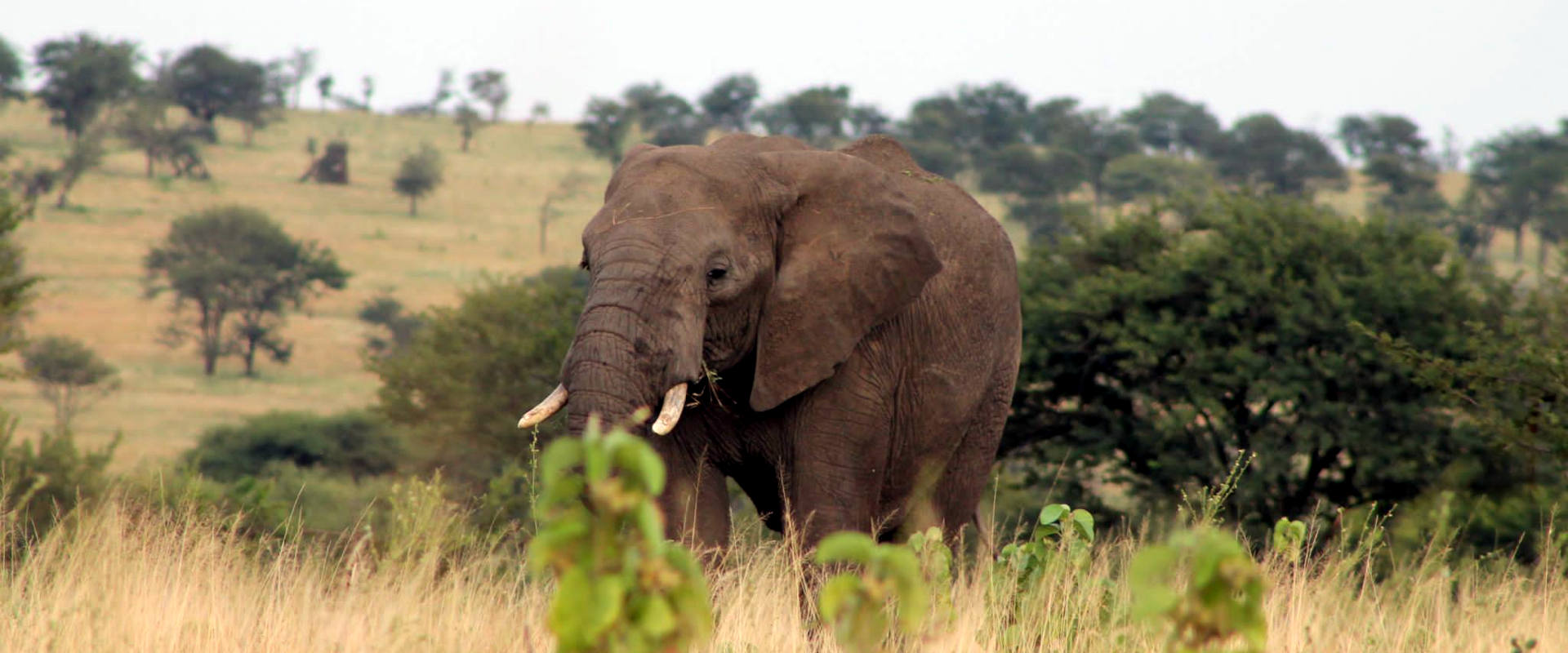
Tarangire National Park boasts a diverse population of big and small animals, with many permanent residents. You can expect to encounter many varied and exciting things during your stay. The wildlife in the area includes elephants, giraffes, impalas, warthogs, zebras, wildebeests, dwarf mongoose, and ostriches. Lions and leopards are frequently seen, and wild dogs have been spotted on rare occasions. Bird enthusiasts will delight in the over 550 species of birds present in the park. The greater and lesser Kudu, as well as oryx, can also be found roaming the park.
The park's scenery is unparalleled, with its breathtaking baobab-crested landscape. The towering baobab trees are vital to the ecosystem, providing homes for bees, birds, and bats. They also offer nourishing fruit and indirect water for animals like elephants, especially during the drier months. Visiting Tarangire National Park is a must-do experience. Individuals in search of a remarkable wildlife encounter.
From June to September, the park experiences a small migration of thousands of wildebeests and zebras in search of better grazing grounds. Other animals, such as elephants, follow suit and gather along the Tarangire River, the only permanent water source in the park. During these months, it is estimated that up to 2000 elephants reside in the park, with some coming from as far as Amboseli National Park in Kenya.
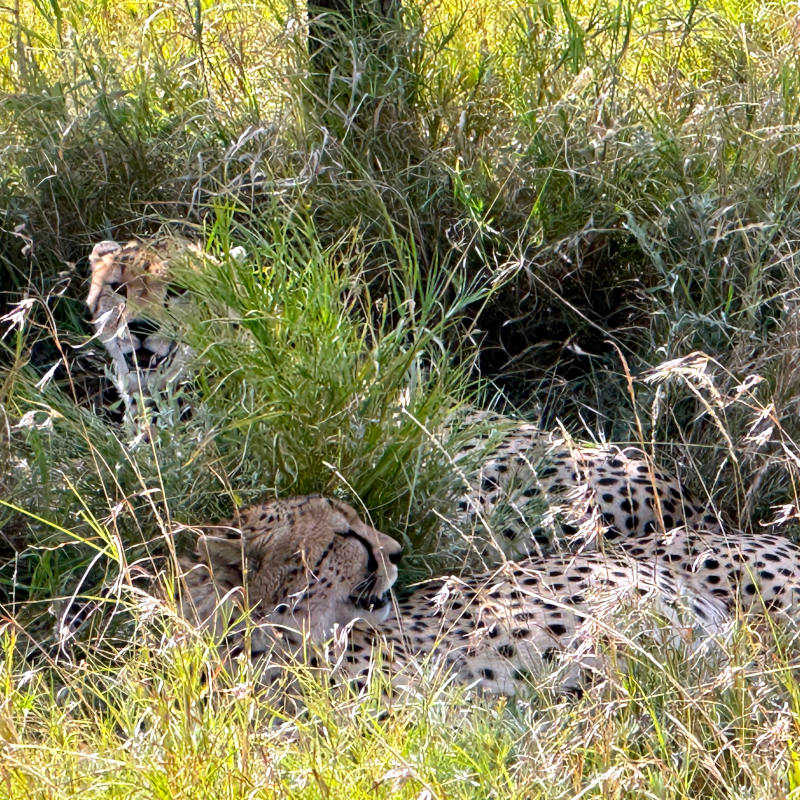
The park is also home to various cat species, with lions often spotted soaking up the sun on the river banks and leopards resting in the baobab trees. Although cheetahs are present, they tend to stay hidden from unsuspecting prey.
In Tarangire National Park, you may have the opportunity to witness African wild dogs in the southern region. These skilled hunters have been decreasing in numbers, making any sightings an exceptional experience. The park is a habitat for various bird species, with over 550 different types. Commonly spotted birds include yellow-collared lovebirds, red-billed hornbills, southern ground hornbills, lilac-breasted rollers, ostriches, raptors, and water birds. The Tarangire River flows throughout the year, serving as a vital resource for many of the park's inhabitants, especially during the dry season. This river eventually leads to Lake Burunge in the northwest—marshland, which is inaccessible during the wet season but completely dries up during the dry season. The park's diverse vegetation includes open grasslands, savannahs, Baobab trees, thick acacia bushes, palm trees, and elephant grass swamps in the south. Additionally, walking safaris are available in the southern part of the park.