Lake Manyara National Park may be smaller than other national parks in Tanzania, but it boasts stunning landscapes and diverse wildlife. The lake is a soda or alkaline lake with a maximum depth of 3.7m. The park's vegetation changes from groundwater forests to flood plains and acacia wood plains, providing a unique experience for visitors.
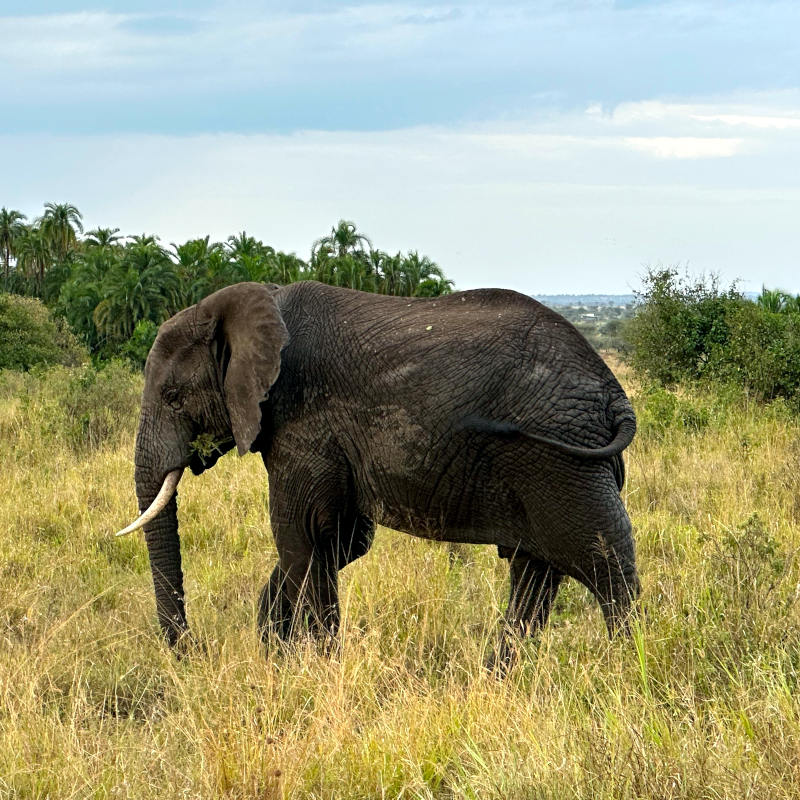
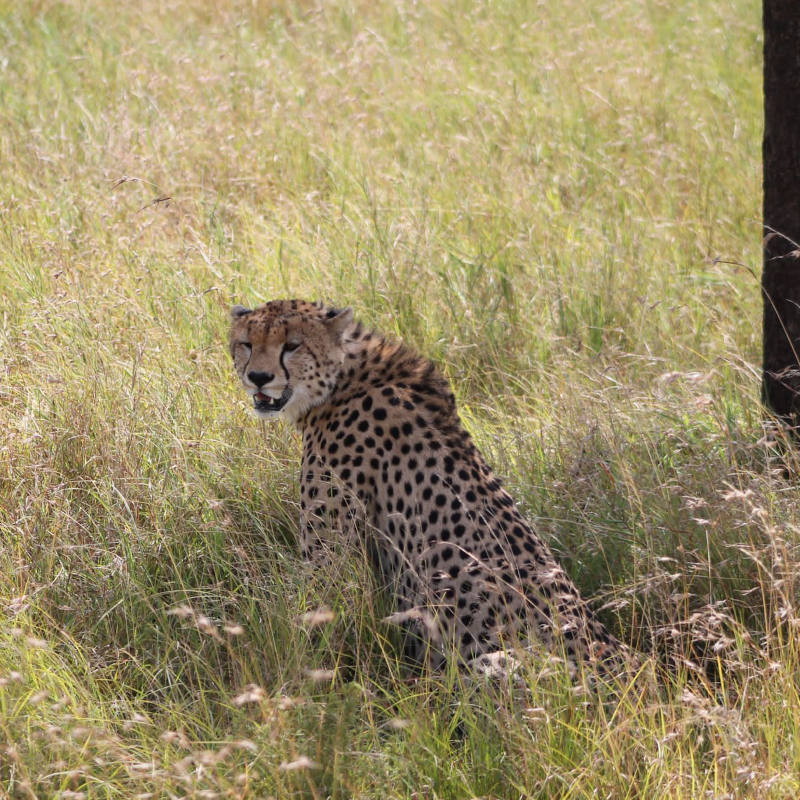
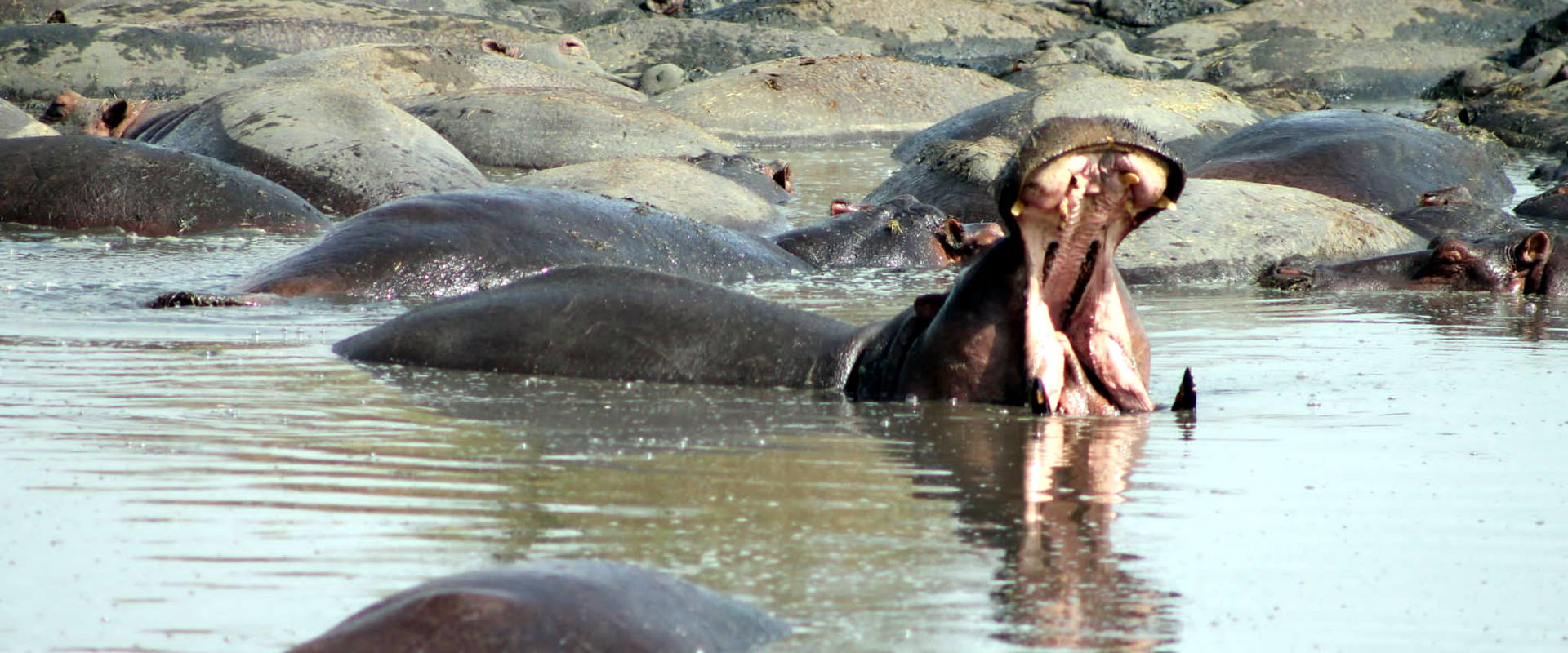
Bird enthusiasts will find this park to be a haven. as it is home to over 400 bird species. Elephants, buffaloes, hippos, baboons, waterbucks, impalas, giraffes, zebras, and wildebeests also inhabit the park. Though leopards are abundant in the garden, spotting them is rare due to the thick vegetation. Visitors are guaranteed to glimpse something—famous "tree-climbing" lions in this park.
As you enter Lake Manyara National Park, you'll be greeted by a stunning groundwater forest where you can see ancient mahogany, giant fig, and kapok trees. This forest is known for its crystal-clear water seeping directly from the ground. You can also spot olive baboons playing and foraging around the lush green forest, with troops of up to 150 individuals.
In addition, bushbucks can be seen grazing quietly while silvery-cheeked hornbills perch on top of giant trees and trumpet their calls, disrupting the forest's peace occasionally. As you continue to explore, the groundwater forest transforms into a mix of greens and yellows, signaling the arrival of the acacia forest.
Here, you'll find vervet monkeys and red-billed hornbills as familiar residents. Remember to stop by the new hippo viewing deck to observe these giant mammals in action. Birds that inhabit water environments, such as blacksmith plovers, little egrets, and herons, can be commonly found. Also, familiar sights here. And if you're lucky, you might even spot large herds of wildebeests, zebras, and buffaloes gathering on the open flood plains, grazing and keeping a lookout for predators.
Once you venture deeper into the park, you'll come across the acacia woodlands, famous for their "tree-climbing "Lions." These majestic felines have undergone evolution through many generations. “Lions." These majestic felines have undergone evolution through many generations. Climb trees as part of their daily activities.
Finally, it's worth noting that the lake primarily receives water from the Simba River in the north and the Makuyuni River in the east. However, the rift valley also contributes significant water, especially during the rainy season. The groundwater forest also feeds the swamps that eventually flow into the lake.