
The Serengeti is situated to the north of the country. The Kenyan Masai Mara Game Reserve borders it to the north and the Ngorongoro Conservation Area to the south. It is a popular destination for safari enthusiasts as it is one of only two African conservation areas where the annual migration of over a million gnus and a hundred thousand zebras can be observed. The park also has over three million animals and features diverse landscapes.
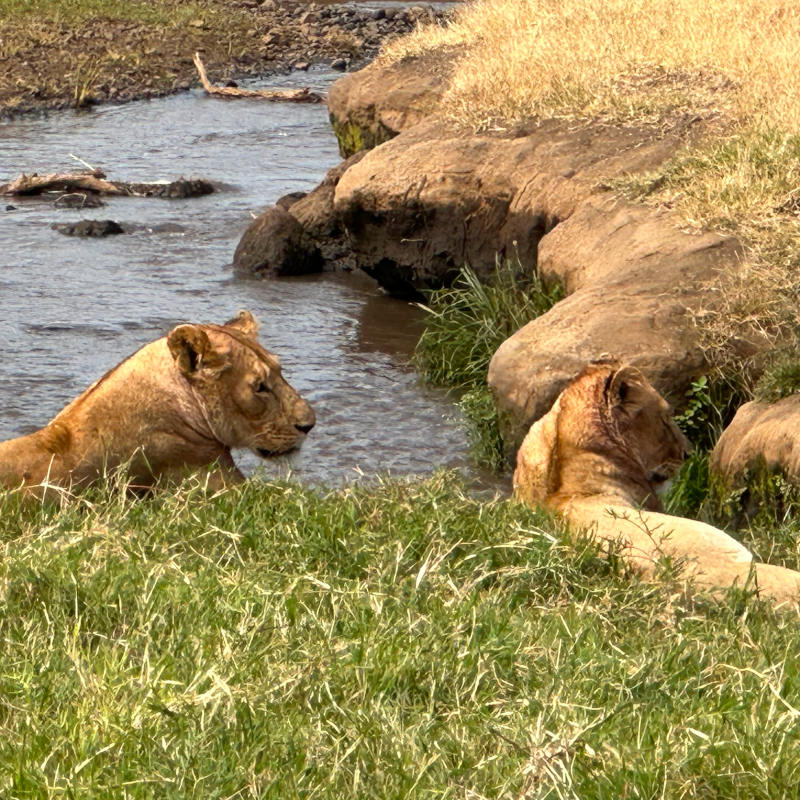
As you embark on a game drive through the renowned southern plains, you'll be amazed by the vast, never-ending expanses of flat grasslands. The sparse trees in this area typically only grow around the colossal granite formations known as kopjes. These kopjes serve as the habitat for an array of reptiles, such as the brilliantly colored agama lizards and various snake species, as well as the athletic yet indolent rock hyrax. Additionally, these rocks provide the perfect resting spots. This is about larger felines such as lions, leopards, and cheetahs. These felines favor the kopjes as they offer an advantageous vantage point for spotting potential prey and much-needed shade during the blistering African sun. Moreover, the rocks provide shelter for their young. All the kopjes have been given names, the most well-known being Simba, Gol, Research, and Moru kopjes.
The park's heart is the Seronera Valley, where the vegetation changes to acacia-dotted plains. It's a popular spot for spotting lions and leopards. The Seronera River's banks are lined with lush palm trees, sausage trees, and towering yellow fever acacias. The area around the river is full of bird species, including large flocks of black-headed herons, marabou storks, and various birds of prey. If you want to see the gentle giants in their natural habitat, head to the Retina Hippo Pool in the Seronera region.
As you journey towards the Western Corridor of the Serengeti, you'll notice a change in the vegetation. The area is primarily swampy, wooded savannah land with black cotton soil that becomes impassable during the rainy season. This region is home to two large rivers, the Grumeti and the Mbalageti Rivers, which flow into Lake Victoria in the west. The Grumeti River is famous for its enormous crocodiles that love to bask in the sun during the day. The riverine forest around the area is also home to the rare patas monkeys.
Open woodlands, riverine forests, and mountains characterize the northern part of the park. The majestic Mara River flows through this area, and it's the most dangerous obstacle on the animals' 1000 km journey during the annual migration. The crocodiles lurking below the surface, some as big as 5 meters, make it a dangerous crossing. The northern part of the Serengeti is much less crowded, making it an ideal place for an intimate safari experience.
The Serengeti is renowned for one of nature's most incredible and largest animal migrations. A vast migration is undertaken by millions of white-bearded wildebeest and 250,000 zebras.r 1000 km in search of greener pastures. On their way, they encounter the Mara River, home to substantial prehistoric reptiles, the crocodiles. Additionally, the Serengeti is home to the "big five" - lion, elephant, buffalo, rhino, and leopard. The park boasts the highest population of lions in Africa, although black rhinos are rarely seen as they tend to hide in the bushy areas.
Bird lovers will be thrilled with the over 500 species in the Serengeti National Park. In this diverse habitat, you can spot ostriches, secretary birds, different types of vultures and eagles, Egyptian geese, black-headed herons, crowned cranes, Kori bustards, and many other species.