In 1979 the Ngorongoro Conservation Area was designated a UNESCO world heritage site. This area comprises diverse landscapes, including dense mountain forests, woodlands, grasslands, lakes, and swamps. Some of the world's most significant archaeological sites, such as Oldupai Gorge and Laetoli, are in the Ngorongoro Conservation Area. Archaeologists have discovered evidence indicating that hominids occupied the area over three million years ago, leading some to believe that it may have been the birthplace of humanity.
The Ngorongoro Crater is also situated here, the world's largest unbroken, inactive, and unfilled caldera. The crater has a diameter of approximately 19 km (12 miles), and its walls rise over 610 m (2000 feet), while the Ngorongoro Conservation Area is a vast expanse spanning 260 square kilometers (100 square miles) and serves as a natural habitat for more than 30,000 animals, including the endangered black rhino. Interestingly, this unique area is one of the few places in Tanzania where human habitation is permitted. Wildlife protected area, with over 40,000 Masais residing here. The conservation area shares a boundary with the Serengeti National Park, and visitors must travel through the conservation to reach the Serengeti.
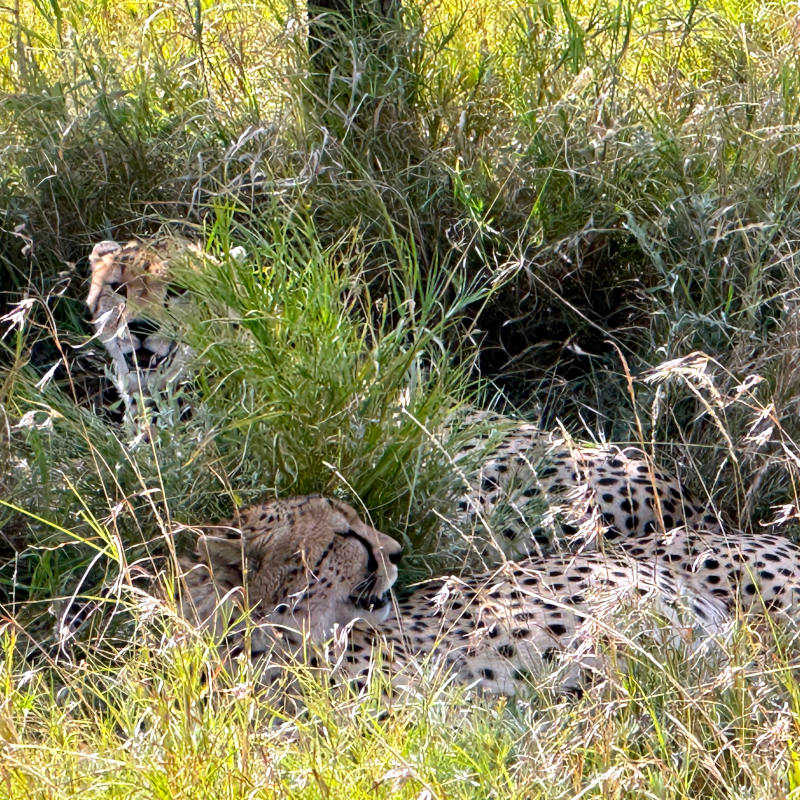
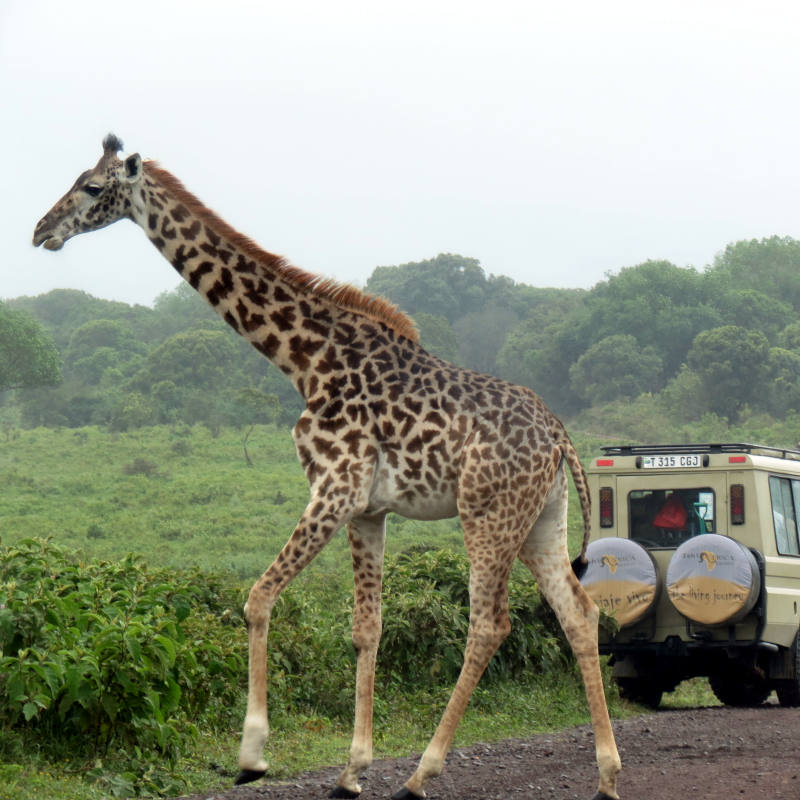
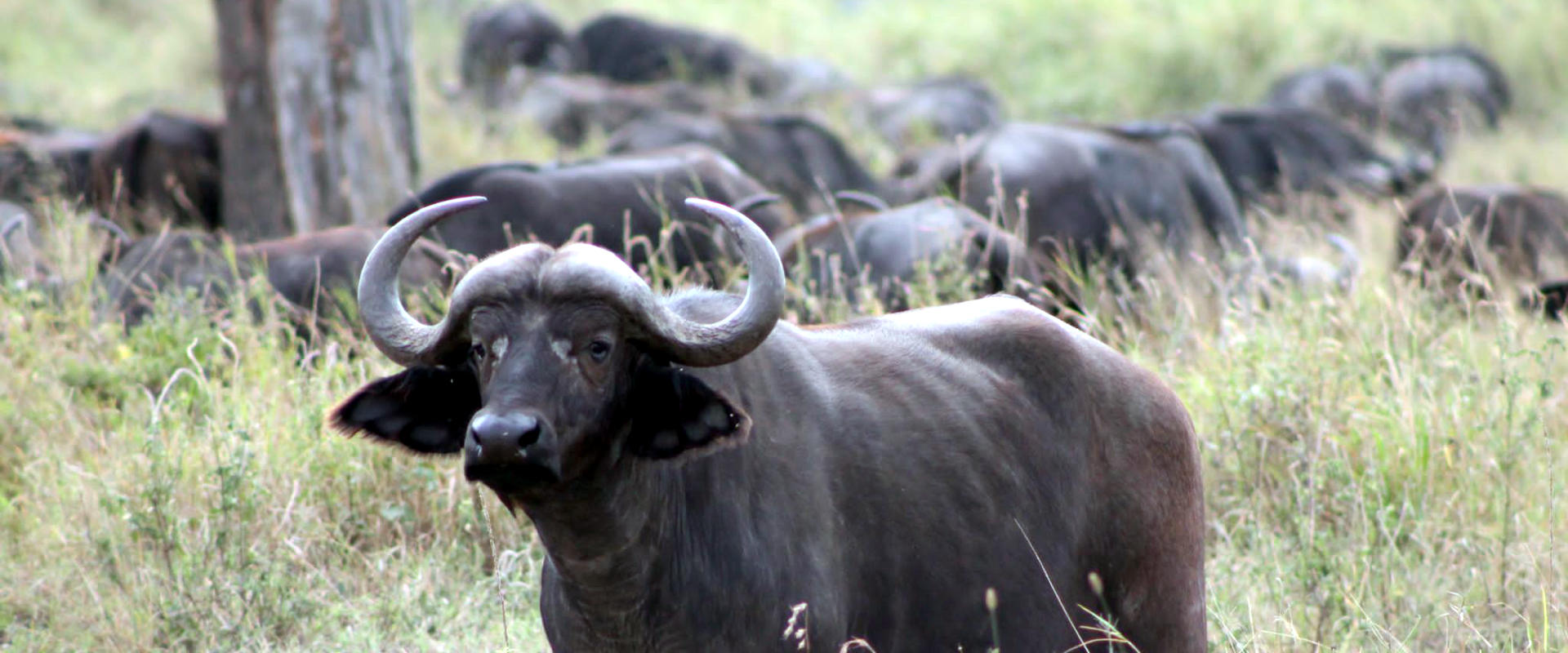
The crater's floor exhibits various landscapes, from dense mountain forests and woodlands to grasslands, lakes, and swamps. The primary water sources are the Munge River in the west, the Lerai River in the east, and Ngotokitok Spring, which flows into a swamp. The crater floor is dominated by vast herds of ungulates, including zebras, wildebeests, elands, and Grant's and Thompson's gazelles. The "big five" also call this place home, with elephants, lions, and buffaloes being commonly sighted. Leopards are rarely seen as they prefer to stay black rhinos, which are close to extinction. They can also be found in the forests on the crater rim. Here, sightings are common. Serval cats spotted hyenas, and jackals are frequently seen, while cheetahs are more challenging to spot.
Lake Magadi, a primarily alkaline lake, is home to many lesser flamingos. Many other common birds can be seen here, such as ostriches, kori bustards, crowned cranes, and white-backed Some of the birds that can be found in the area include vultures, black kites, cattle egrets, tawny eagles, and augur vultures. More.
Visitors can walk along the Ngorongoro Crater rim, accompanied by an armed ranger, on a path created by livestock. The walk offers breathtaking views of the crater below and passes by moss-covered trees and Masai bomas.